One codebase for iOS, Android and web with .NET MAUI and Blazor
How .NET MAUI and Blazor let one team build an iOS app, an Android app and a web app from shared code, and when that approach is the wrong one.
A business that wants an app usually wants three things without saying so: an iPhone app, an Android app and a website that does the same job. Built the traditional way, that is three projects in three languages by three sets of developers. Every feature is built three times and every bug is fixed three times, or more often fixed once and forgotten twice.
There is a way to share most of that work. It is not magic, and it does not suit every app, but for business software it is the approach we use most.
.NET MAUI is Microsoft's framework for building native apps for iOS, Android and Windows from one project written in C#. The result is a real app, installed from the App Store or Google Play, with access to the camera, location, notifications and the rest of the device.
Blazor is Microsoft's framework for building web interfaces in C#. Screens are made of components: a product card, an order form, a list with filters.
Put together, they give you what Microsoft calls Blazor Hybrid. The Blazor components that make up your website can be placed inside a MAUI app, where they run on the device itself. The same order form appears on the web and in both mobile apps, from the same source file.
What is actually shared
In a well-organised project the shared part is large:
- The screens and the components they are made of.
- The rules of the business, such as how prices, discounts and validation work.
- The code that talks to the server.
- The text in each language, including Arabic and English with right-to-left layout.
- The styles, so the brand looks the same everywhere.
Each platform then adds only what is particular to it. The mobile apps add push notifications, biometric sign-in, the camera and offline storage. The website adds what search engines need. These parts are small compared with the whole.
Where native still matters
Some screens are better built with the platform's own controls. A map that must feel smooth under the finger, a camera view, a barcode scanner, or a list with a very large number of rows can feel better when they are native. MAUI allows this. A single app can mix native screens with shared web-style screens, and the user does not see the join if it is done with care.

The app must also behave like a guest on each platform. That means respecting the back gesture on Android, the safe areas around the notch on an iPhone, the system font size the user has chosen, and dark mode. Shared code does not excuse ignoring these.
What you still have to plan for
One codebase does not mean one of everything. A realistic plan includes:
- Developer accounts with Apple and Google, registered in your company's name.
- Store listings, screenshots and privacy declarations for each store.
- Review by each store before a release reaches users, which takes time you do not control.
- Testing on real devices, old and new, not only on a simulator.
- A decision on what the app does with no connection.
- A plan for forcing or encouraging updates, because unlike a website, old versions of an app stay in people's pockets.
Store rules also affect how you may sell digital goods and subscriptions inside an app. Read the current rules of each store before you design the payment flow.
When this approach fits
It fits best when the app is an extension of a system: ordering, booking, loyalty, field staff tools, customer portals, internal dashboards. The app and the website show the same data and follow the same rules, so sharing code saves real effort and keeps them consistent.
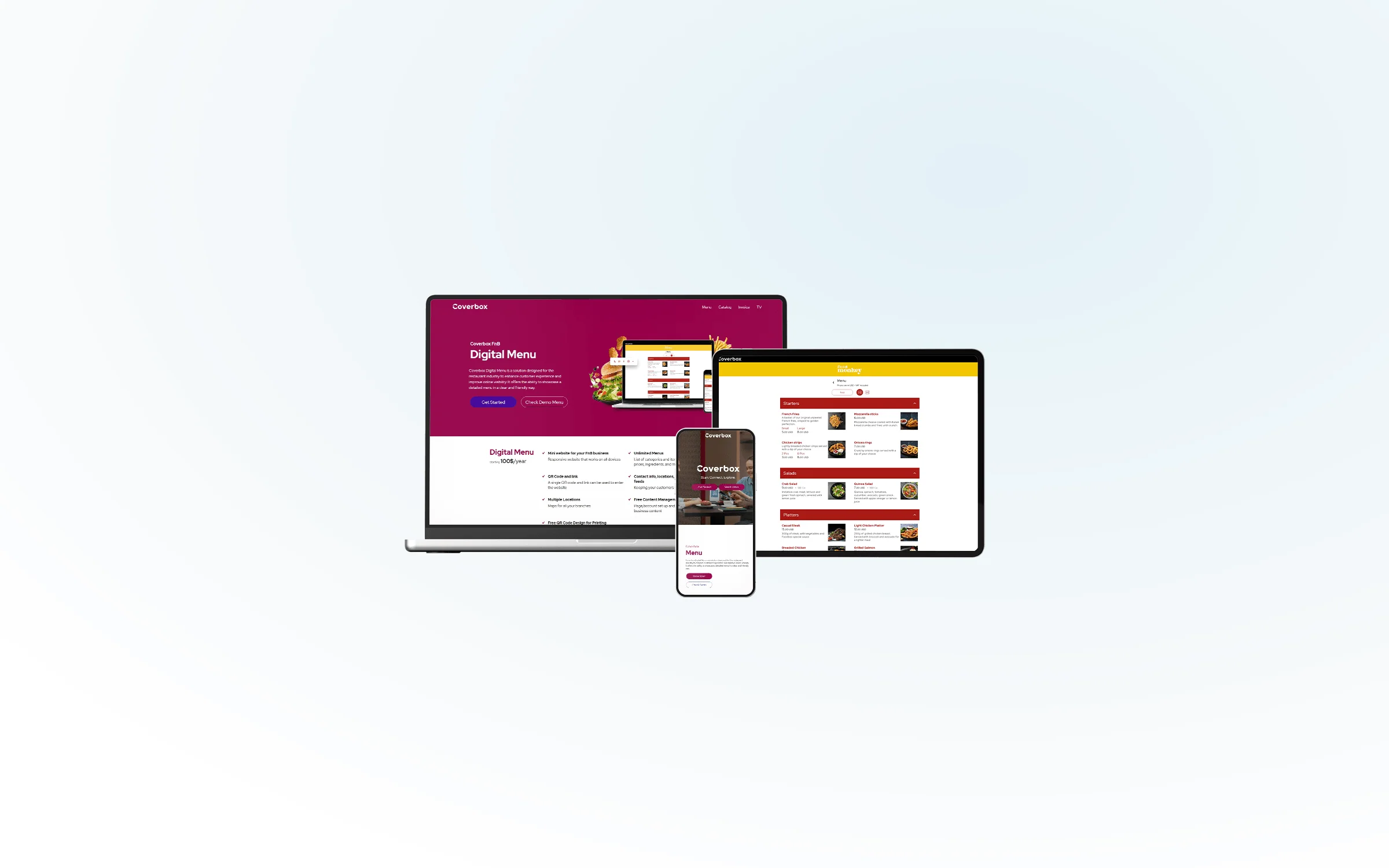
It also fits when the team is small. One group of developers, working in one language, can look after the server, the website and the apps. When someone is on leave, the project does not stop because the only iOS developer is away.
When to choose something else
- Games and apps with heavy graphics or animation belong in a game engine or in fully native code.
- An app whose whole value is deep use of one platform's newest features may be better built natively for that platform.
- If all you need is a website that works well on phones, you may not need a store app at all. A responsive site, possibly installable from the browser, costs less and has no review queue.
- If you already have strong native teams and apps that work, a rewrite needs a better reason than fashion.
How Angry Monkey Agency can help
Angry Monkey Agency builds web platforms with Blazor and mobile apps with .NET MAUI for iOS, Android and Windows. If you are planning an app, we can help you decide what should be shared, what should be native, and whether you need a store app in the first place.
The same team has worked on campaigns and digital work for brands such as stc, American Express, Burger King and Nissan. Read how we work in software development, look at the work or start a project.