A logo is not a brand: what a brand identity includes
A logo is one part of a brand identity. Here is what the rest includes, from colour and type to voice and files, and what to expect on delivery.
A new business often asks for a logo and believes that, once it arrives, the branding is done. Then the first social post has to be designed, the menu printed, the website built, and every one of them looks like it belongs to a different company. The logo was never the problem. It was simply asked to do a job that needs a whole system.
It helps to separate three things.
- The logo is a mark: a symbol, a word or both, that identifies you.
- The identity is the full set of visual and verbal elements that make you recognisable, of which the logo is one.
- The brand is what people think and feel about you. It lives in their heads and is shaped by every experience they have with the business, from the product to how the phone is answered.
You can design a logo and an identity. You can only earn a brand. A good identity makes the earning easier, because it makes every contact with the business look and sound like the same company.
Strategy comes before design
Before anything is drawn, a few questions need answers. Who is this for? What do they choose between? What should they remember about you? How should the business sound: formal, warm, playful, exact?
These answers do not need a thick document. A page is often enough. But without them, design becomes a matter of taste, and the discussion turns into which colour the owner likes. With them, every choice can be tested against a purpose.
What a full identity includes
A complete identity gives you everything needed to produce any piece of communication consistently.
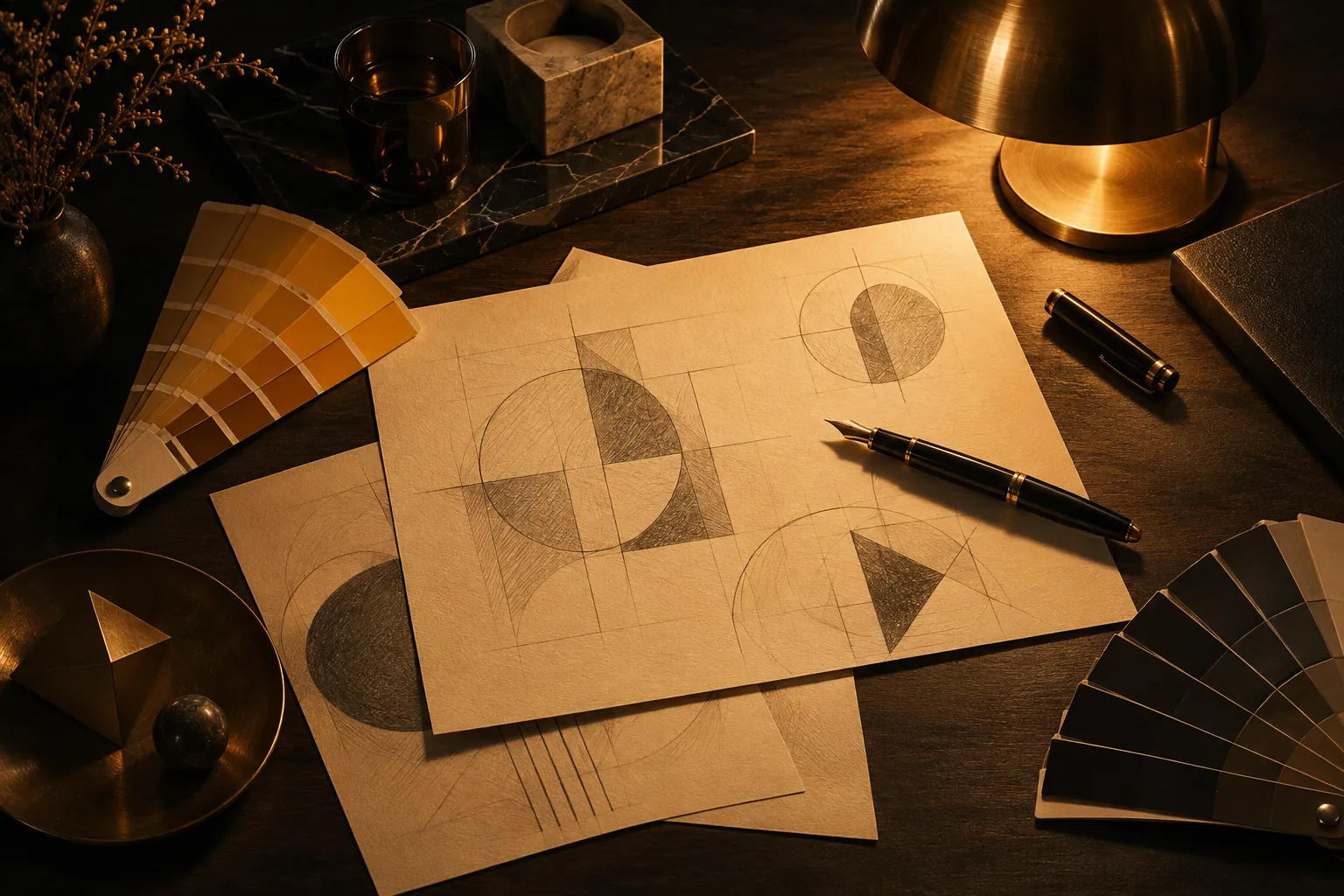
- The logo in its versions: the main one, a horizontal and a stacked arrangement, a small icon for app and profile pictures, and versions in one colour and in reverse for dark backgrounds.
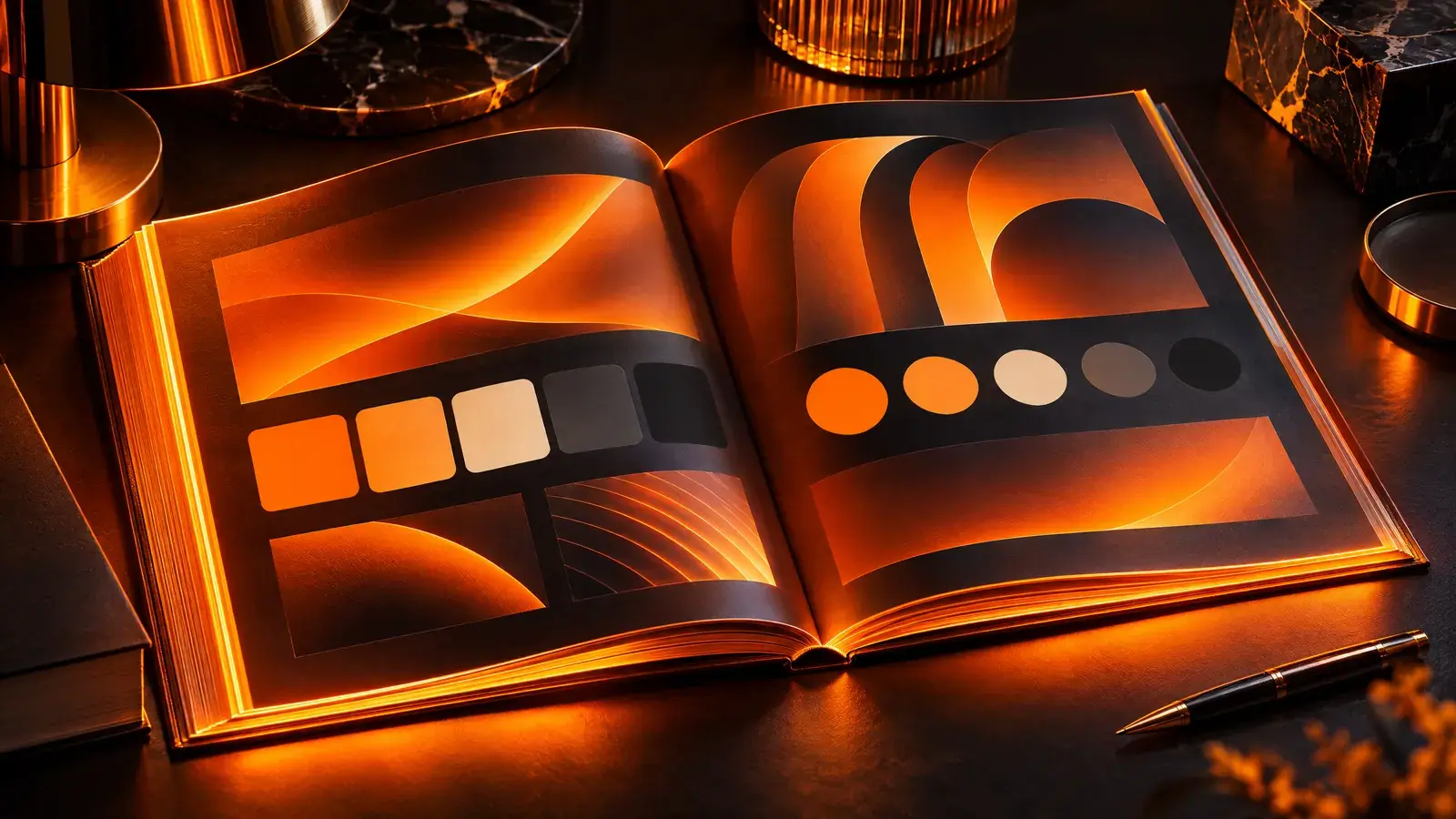
- A colour palette with primary and supporting colours, each with its exact codes for screen and for print.
- Typography: the typefaces for headings and text, how they are sized and spaced, and matching typefaces for each language you use.
- A style for photography or illustration, so pictures feel related even when taken months apart.
- Graphic elements such as patterns, shapes or icons that extend the look beyond the logo.
- A voice: how the brand writes, which words it uses and avoids, with examples.
- Layout principles for common pieces such as social posts, presentations and documents.
Not every business needs all of this on the first day. A small shop can start with the logo set, colours, type and a few templates. But it should be a decision, not an accident.
A logo that works in the real world
A logo is used in places its designer never sees. Test it before approving it:
- At the size of a profile picture on a phone.
- In a single colour, with no gradients or effects.
- On a dark background and on a photograph.
- Embroidered, engraved or stamped, if you will ever do that.
- Next to competitors, to see whether it is distinct.
- In Arabic and Latin scripts, if you operate in both.
Simple marks survive these tests. Complicated ones fail them one by one.
What you should receive
When an identity project ends, you should hold everything needed to work without calling the designer for each file.
- Vector files of every logo version, which can be scaled to any size, and image files with transparent backgrounds for everyday use.
- Colour codes in the formats used for screens and for print.
- The font files or the licences and links to obtain them. Fonts are licensed, and the licence needed for a website or an app can differ from the one for print, so check what yours covers.
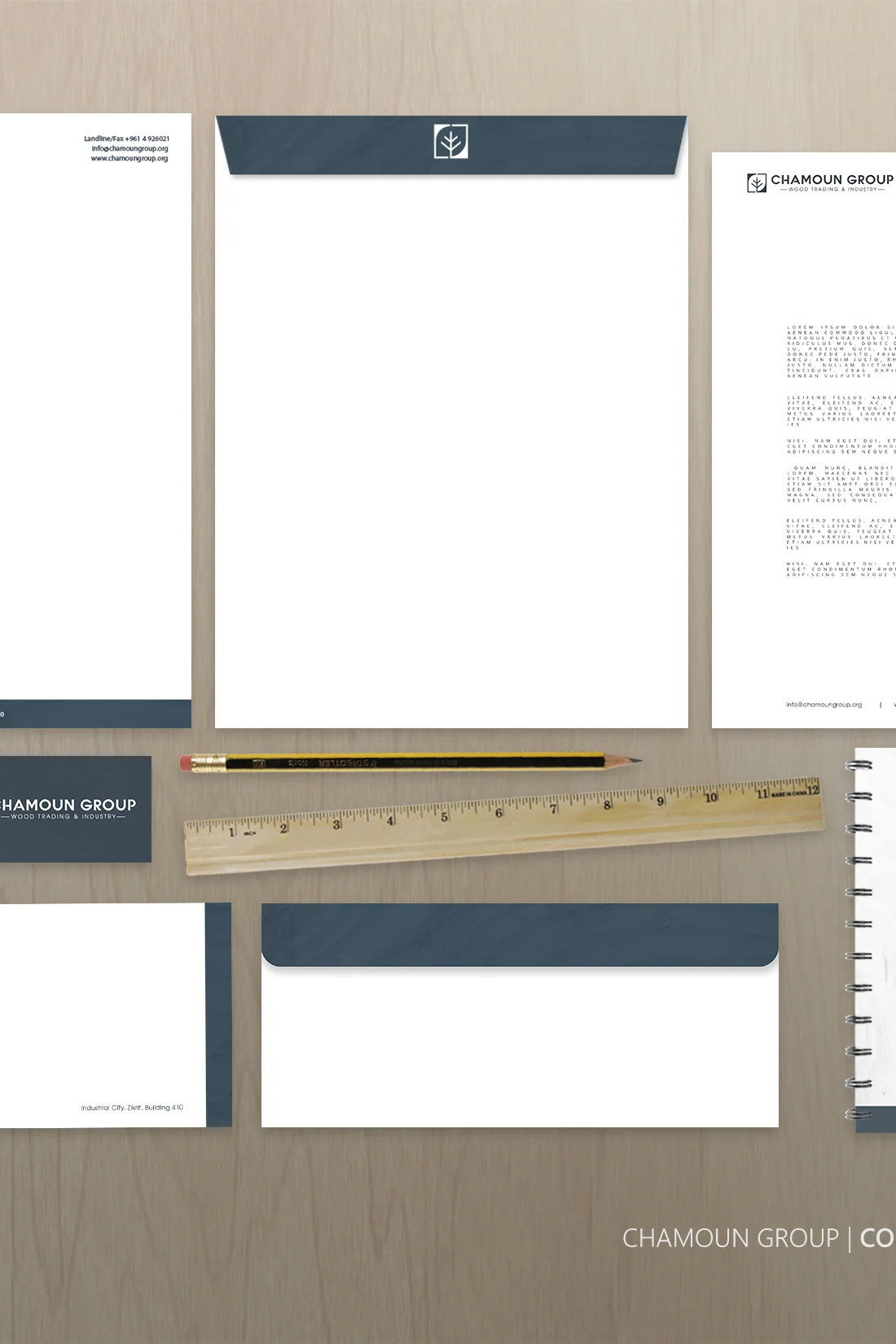
- Templates for the things you produce most often.
- Guidelines that explain how it all fits together.
- Written confirmation that the rights to the work are yours.
Trademark registration is a separate legal step and worth considering early. Speak to a lawyer or the trademark office in each country where you operate.
The identity is tested in use
The first months show what works. A colour may prove hard to read on screens. A typeface may lack a weight you need. Good identities are adjusted with use, carefully, and the guidelines are updated when they are. What damages an identity is not adjustment. It is every employee and supplier improvising their own version.
How Angry Monkey Agency can help
Angry Monkey Agency designs brand identities and logos, and then builds the websites, apps and campaigns that use them, so we design with real use in mind. We deliver guidelines online through Melon Cut, our interactive brand guidelines product, so that everyone who works on your brand finds the right files and rules in one place.
Pictures and video made to your brand can come from Cutlin, our AI studio for brands. The same team has worked on campaigns and digital work for brands such as stc, American Express, Burger King and Nissan. Read how we work in branding, look at the work or start a project.